%20(1).jpg)


Tantra and Grief: Using Embodiment to Process Loss
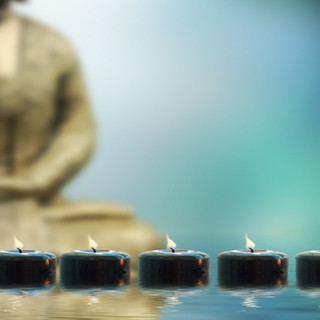
Loss changes the body. You have the pain in your chest. Your muscles hold tension. We deny those physical sensations and we riddle our way out of pain. Tantra and grief intersect here. The practice grounds us in skin and breath. It asks us to feel everything. This method offers a direct way to face loss.
Bereavement carries a heavy physical toll. Your stomach turns, and sleep escapes you at night. The body absorbs the shock. Many people freeze their bodies to survive. They numb their skin, and they breathe in shallow gasps.
This traps the sadness inside. Tantra breaks this freezing response. You sink deeper into the flesh. You notice the heat in your hands. You feel your feet on the floor. This focus brings you back to the present moment, and you start to thaw the frozen places.
The Frozen Body and Panic
What happens to a frozen body? It remains stuck in panic. Grief has a specific texture. Sometimes it feels like sharp glass in the lungs. Other times it is a dull rock in the belly. You must locate these sensations, so somatic grief healing begins with this step. You map the pain in your flesh. You sit quietly. You scan your limbs. You find the tight spots. You bring your full attention to the tightness. You do not try to fix it. You watch it.
Tantric traditions value direct experience. They reject the separation of mind and flesh. A broken heart is a physical event. The cardiac muscles react to bad news. The nervous system floods with stress hormones. You shake, and you sweat. You cry. These are natural bodily functions. Society tells us to hide these reactions. Tantra tells us to exaggerate them. Let the tears fall freely. Let your hands tremble.
Breathing into the Ache
Breath controls the nervous system. A grieving person takes short thin breaths. The chest barely moves. This shallow breathing signals danger to the brain, so you stay trapped in panic. Deep breathing changes the chemical state of your blood. It slows your heart rate. It softens your abdomen. This simple act softens the sharp edges of panic.
Sit on a firm floor cushion. Place one hand on your heart. Place the other hand on your stomach. Pull the air past your throat and into your lower ribs. Feel your stomach push your hand outward. Hold the breath for three exact seconds. Release the breath slowly through your mouth. Make a soft sound. Repeat this cycle ten full times, so you will feel a shift in your temperature. Your chest will loosen, and this action forms the base of body-based mourning.
Making Sound for Release
We swallow our cries. We choke back our sobs to appear strong. Tantra encourages the opposite. The vocal cords need to vibrate. Sound vibrates the bones of the skull. It vibrates the chest cavity. These vibrations shake loose trapped emotions, so this leads to profound emotional release.
Do we need perfect pitch for vocal release? No, a simple sequence of notes works perfectly. Groan from your chest. Wail loudly. Hum a low note. Start with a deep breath. Open your mouth wide. Let a sound rise from your belly. Do not force it. Let it match the feeling in your gut. A sharp pain produces a loud cry. A dull ache produces a low moan. Let the sound fill the room. Notice the raw feeling in your throat. It will feel open.
Pick a simple sequence of notes. Speak them aloud in an empty room. Feel the vibration in your throat. Notice how the sound fills the silent space. The act of vocalizing forces you to breathe deeply. It forces you to exhale fully. This regulates your heart rate. It releases physical tension.
Movement and Physical Touch
Stillness breeds despair. The body needs motion to process heavy feelings. Use gentle movement. Roll your neck. Stretch your arms wide. Twist your spine. Feel the joints popping. Feel the muscles lengthening. Embodied grief processing relies on this physical activation. You move the stagnation out of your tissues.
Walking serves as a steady physical rhythm. Walk outside for ten minutes. Match your breath to your footsteps. Inhale for two steps. Exhale for two steps. The repetitive motion calms the brain. The bilateral movement of your legs helps process emotional distress. You physically move the tension out of your joints.
Touch brings immense comfort. You crave physical contact after a loss, so provide this touch for yourself. Rub your own shoulders. Massage your temples. Squeeze your own hands. Apply firm pressure to your thighs. Use warm oil. Notice the friction on your skin. Notice the warmth of your palms. This self touch sends safety signals to your brain. It reminds you that you are alive.
Designing a Meaningful Practice
What is the purpose of a formal container? It helps hold the chaos. Build a ritual to structure your mourning. It gives the sorrow a specific time and place. Gather items with distinct textures. Bring a smooth stone. Bring a soft blanket. Light a candle to create warmth. Burn incense to engage your sense of smell. Sit in the center of these items.
Dedicate this space to your loss. Speak your feelings aloud. Touch the objects. Feel the cold stone against your cheek. Wrap the heavy blanket around your shoulders. Smell the smoke. Let the sensory inputs hold you in place. Stay in this space for twenty minutes. Cry out loud. Rest your head on the floor. Feel the hard wood against your forehead. This structured time prevents the pain from taking over your entire day.
Grounding Your Bones
Sorrow pulls you out of your body. It makes you feel floaty and disconnected. Grounding pulls you back down. Gravity is a physical experience, so focus on the pull of the earth. Stand barefoot in the dirt. Feel the rough soil under your toes. Notice the dampness of the grass. Push your heels into the ground.
Imagine roots growing from your soles. These roots reach deep into the dark earth. They hold you steady. The sadness surges. You will not fall. The ground supports your weight. This physical support translates into emotional support. You feel held by the planet.
Somatic Integration
How can tantra and somatic practices help process grief? They integrate the pain into your flesh. You stop fighting the pain, and you invite it into your flesh. You give it a shape. You give it a sound. You give it a temperature. The Academy of Modern Tantra emphasizes this direct contact. You turn a vague ghost into a tangible physical experience. This makes the loss manageable.
You process the trauma bite by bite. You feel the anger in your jaw. Then you unclench your teeth. You feel the fear in your bowels. You breathe into your gut. You do not analyze the memories. You just observe the physical sensations. The sensations change over time. The sharp glass turns into dull sand. The heavy rock turns into a light pebble.
Exploring Sensual Awareness
Sensuality roots you in the present. Grief lives in the past. It dwells on lost things. Bringing your focus to the senses drags you into the now. Eat a piece of fresh fruit. Notice the juice on your tongue. Notice the sweet taste. Drink a glass of cold water. Feel the liquid traveling down your throat.
Take a hot bath. Let the water envelop your skin. Feel the heat seeping into your tired muscles. Let the water support your limbs. Notice the steam in the air. These simple sensual acts remind you of life. They remind you that pleasure still exists. You feel pain, and you feel warmth. Both exist at the same time.
The Role of the Heart Center
Tantra focuses on energy centers. The heart is the center of love and loss. Grief tightens the physical chest. It hardens the muscles around the ribs. You must physically open this space. Lay on your back. Place a rolled towel under your shoulder blades. Let your arms fall to the sides. Let your chest stretch open.
This posture feels vulnerable. It exposes your front body. You feel a sudden rush of tears. Let them come. Feel the stretch in your pectoral muscles. Breathe directly into the center of your chest. Imagine a warm light expanding there. The physical opening encourages an emotional opening. You make room for the sorrow.
The Nervous System Response
Trauma forces the body into a freeze state. Your heart rate drops. Your limbs feel cold. Your digestion stops. Your brain cuts off physical sensation to protect you. This biological mechanism works well for short emergencies. It fails during long periods of mourning. You stay trapped in a numb shell. The blood vessels constrict. The muscles remain rigid.
Tantric practices reverse this rigid state. You must generate physical heat. Rub your palms together rapidly. Create friction for one full minute. Notice the intense heat in your hands. Place your hot palms over your closed eyes. Feel the warmth melt the tension around your eye sockets. Move your hands to your neck. Press your warm fingers into the base of your skull. The blood vessels dilate. Warmth spreads through your skin.
Engaging the Senses
Staring into space is a common reaction to sorrow. Our eyes glaze over. We detach from our surroundings. Force your eyes to focus on specific objects. Count four blue items in the room. Notice the sharp edges of a wooden table. Notice the soft weave of a curtain. Listen to the hum of the refrigerator. Listen to the cars on the street outside.
Smell bypasses the thinking brain. It connects directly to the emotional center. Peel an orange. Dig your fingernails into the rind. Smell the sharp citrus oil. The scent grounds you. Take a bite of the fruit. Feel the cold juice on your tongue. Chew slowly. Swallow and feel the liquid coat your throat. These small sensory inputs pull your mind out of past memories.
Developing Daily Habits
You build a foundation of embodiment. Healing takes time. You need consistent daily actions. You incorporate small practices into your routine. Wake up. Notice the texture of your sheets. Place your feet on the floor. Feel the carpet or the wood. Wash your face. Feel the cold water shock your skin.
Avoid escaping into screens. Avoid numbing with alcohol. These habits disconnect you from your flesh. Stay with the discomfort. Sit with the empty feeling in your stomach. Drink warm tea. Let the heat radiate through your chest. Every physical sensation is a tether to reality. Keep pulling on those tethers.
Connecting with Others
Mourning isolates you. You feel alone in your pain. Tantric practices involve partners or communities. Adapt this for grief. Hug a trusted friend. Hold the embrace for one full minute. Notice their heartbeat. Feel their body heat. Let your muscles relax against theirs. Co-regulation happens physically. A calm nervous system calms your own body.
Hold hands with someone. Notice the pressure of their fingers. Notice the ridges of their knuckles. This simple skin to skin contact eases loneliness. It proves you are still part of the human web. You are breathing. They are breathing. You share the space in the room.
Surrendering to the Impact
Grief moves through the body with immense force. It hits you physically. You do not block the impact. Tantra teaches surrender. You stop tensing your muscles against the pain. You relax your limbs. You let the tears run down your face. You let the shaking take over your arms.
Resistance creates tension. Tension causes more pain. Surrender softens the body. The intense pain eventually passes. You find yourself quiet again. You are exhausted. You are still breathing. You survived the intense surge. The next bout of pain arrives later. You survive that one too. You trust your body to handle the impact.
Finding the Life Force
Tantra focuses on life force energy. This energy runs through the spine. It powers the lungs. It beats the heart. Death strips life away from someone you love. It does not strip life away from you. You reconnect with your own vitality. Notice your pulse. Place two fingers on your wrist. Feel the steady thumping of your blood.
This pulse is the rhythm of survival. It demands your attention. You are alive. Your body continues its functions. Your cells divide. Your lungs expand. Honor this persistent biology. Move your hips. Shake your hands. Generate friction. Create heat. Claim your space in the physical world. Let the energy rise from your pelvis to your crown.
The Integration of Joy and Sorrow
You do not expel the loss. You integrate it. The heaviness becomes a part of your daily experience. You stretch your capacity to feel. You hold immense sadness. You hold immense beauty. Tantra increases your physical capacity to feel. You feel the sun on your face. You feel the tears on your cheeks. Both sensations are sacred.
You stop fighting the pain. It is a physical manifestation of love. The intensity of the ache matches the intensity of the bond. You welcome the sensation. You wrap it in breath and awareness. You carry it in your flesh with honor. You step into the next day with a softer open heart.
Key Sensations to Notice
Pay close attention to these physical cues:
Temperature shifts in your hands and feet.
Tightness across your chest wall.
A hollow feeling behind your ribs.
Tension along your jawline.
Heavy pressure behind your eyes.
Grounding in the Present Moment
The body holds the key to surviving loss. You do not think your way out of a broken heart. You feel your way through it. You engage your senses. You listen to your bones and your breath. The physical world offers a sturdy anchor. Touch the earth. Make deep sounds. Breathe with intention.
Your flesh is strong. It knows how to process trauma. Give it the time and the space to work. Cry until your eyes swell. Sleep under heavy blankets. Drink hot liquids. Let the sensations guide you back to the present moment. This deep bodily presence changes the sharp pain into a quiet ache. You learn


Comments