%20(1).jpg)


How Tantra Differs From Mainstream Spirituality Practices
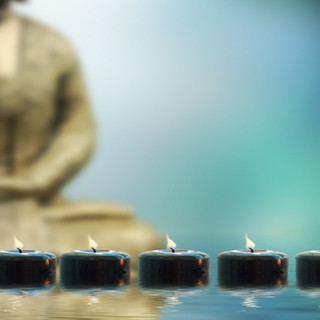
Many people seek quiet and peace in their daily lives. Modern workers face heavy pressure at the office. They try different methods to calm their busy minds. This search often brings up questions about different spiritual paths. People ask how is tantra different from yoga and meditation practices exactly. The answer demands total acceptance of the physical world.
A look at tantra vs mainstream spirituality reveals a massive divide. Most common paths tell people to escape their physical bodies. They tell people to quiet their strong human desires. The ancient path of Tantra does the exact opposite. It tells people to embrace every single physical feeling. Practitioners use their raw human desires to find clarity. They build a solid bridge to deep inner peace. They do not run away from the real world. They use real physical feelings to grow.
Looking at the Body Differently
A main difference lies in the core concept of embodiment. Many spiritual paths view the physical body as a heavy trap. They tell students to ignore physical hunger and strong desire. Tantra views the human body as a perfect learning tool. The physical form acts as a map for the mind.
Accepting the physical form: A person accepts every part of their physical body without shame. They do not hide from their natural human needs.
Using physical senses: Practitioners use touch and taste to find deep peace. They eat a hot meal slowly to feel true joy.
Feeling the energy: The practice requires total attention to raw physical energy. A student tracks the warm blood moving through their veins.
Comparing the Quiet Mind
We can look at tantra compared to meditation to understand the divide completely. Traditional sitting methods ask students to empty their busy minds. They tell practitioners to detach from their passing daily thoughts. The older path takes a much louder route.
Watching the thoughts: Standard methods tell a student to ignore a loud noise. They ask the student to return focus to their breathing.
Using the noise: The ancient path uses the loud noise directly for focus. The student listens to the sound to build deeper mental strength.
Engaging the mind: A practitioner does not try to empty their brain. They fill their brain with specific mental images and bright colors.
The Focus on the Present Moment
The topic of tantra vs mindfulness brings up very similar differences in practice. Basic awareness training teaches people to observe the present second. A person washes the dirty dishes in the kitchen sink. They focus only on the warm soapy water.
Adding deep intention: The ancient method adds a layer of intense energy. The person washing dishes feels the water as a sacred force.
Building active power: Basic awareness training stops at simple mental observation. The older path builds active power from that simple observation.
Transforming the action: A simple daily chore becomes a profound physical event. The practitioner changes a boring task into deep personal joy.
Movement and Breath
Many people bend and stretch on rubber mats every morning. A clear yoga comparison highlights very different end goals for the student. Modern studios focus on tight muscles and general physical fitness. Instructors tell students to push their bodies into hard physical poses.
Changing the goal: The ancient path does not care about physical flexibility. The practitioner only cares about the internal energy flow.
Releasing the tension: A student does not force a hard physical stretch. They use a simple pose to release trapped physical emotions.
Moving the force: The physical posture acts as a simple empty container. The student moves their internal power through this physical container.
Escaping the World
We see a massive difference when we look at buddhism. This famous path teaches that human life equals pure suffering. The end goal involves escaping the endless cycle of rebirth. Monks live in quiet temples to avoid messy worldly attachments.
Embracing the world: Tantric students do not run away from the busy world. They live in crowded cities and raise large busy families.
Using the pain: They do not try to escape human suffering completely. They use their sadness and pain to build massive mental strength.
Finding joy here: The goal is not a distant heaven after physical death. The student finds perfect peace in this current physical life.
Action and Ceremony
The use of specific physical actions sets this unique path apart. A dedicated ritual practice forms the core of the daily routine. These actions create a clear boundary around the practice time. They separate normal time from sacred time.
Making a space: One student sets up a small table in their bedroom They also light a candle to open their practice.
Using physical objects: The practitioner touches specific objects during their daily routine. They use fresh water and fire to represent internal mental states.
Building a habit: These daily actions signal the human brain to relax quickly. The brain sees the lit candle and drops all daily stress.
Treating Old Emotional Scars
The body carries emotional memories from past events. Mainstream practices try to clear the mind of these painful memories. The ancient path uses the physical body directly to heal them. It treats the physical body as a record of the past.
Facing physical pain: A person feels a tight pain in their chest. They push their full attention directly into that exact spot.
Breathing through tension: They breathe heavy air into the tight chest muscles. The physical pain releases a trapped emotional memory.
Healing the Body: The individuals criy, and afterwards they experience full weightlessness. The body and mind collaborate to heal past traumas.
Mixing Different Spiritual Methods
Does a person need to pick just one specific path? A person can easily mix different methods to find peace. They can find the best daily fit for their life. Many people start with basic breathing exercises on the floor. They test the waters slowly.
Testing new ideas: A student adds active energy work to their daily routine. They test different ideas to see the physical results.
Keeping what works: They keep the physical habits that bring deep peace. They drop the methods that cause unnecessary stress.
Solving daily problems: A worker uses these exact tools to handle a bad boss. A parent uses these tools to raise a happy child.
Starting the Physical Practice Today
Interested individuals can start testing these ideas today. A person does not need a costly gym membership. They can sit quietly in their own private living room. They just need a willing mind.
Take one breath: They take a deep breath through their nose. They sense the chill air come into the back of their throat.
Finding a teacher: Local teachers offer weekend classes for curious beginners. These classes provide a safe space to ask hard questions.
Reading old books: A student can read translated books from 500 CE. The path requires patience, and it changes a person completely.
Taking the Next Step
Readers can begin this deep physical practice today. Booking a guided introductory session provides a safe space for initial practice. A certified coach teaches proper breathing techniques and safe physical touch. Subscribers receive detailed physical routines directly in their inbox every single week. Interested partners can click the booking link below, and they can start building a deeply peaceful relationship with their own body today.


Comments