%20(1).jpg)


5 Somatic Healing Exercises You Can Do at Home
- Jennifer

- Dec 4, 2025
- 10 min read
Most people carry tension without realizing how much space it occupies in the body. A tight jaw. A stiff neck. A chest that feels heavier when life becomes overwhelming. These sensations often show up long before the mind admits that something is wrong.
This is where body-based healing becomes important. And the good thing is—you don’t need a studio, a therapist, or expensive equipment to begin. You can start from your sofa, your bedroom floor, or the quiet corner of your home.
The exercises below are simple. They don’t demand perfection. They help your body soften, release, and reinterpret stress patterns you may have held for years. And by the time you finish reading, you’ll know exactly how to use each practice in daily life, how to stay safe, and how to decide which technique suits your needs the most.
Let’s begin.
Why Somatic Practices Matter More Than Ever?
People often think emotional stress lives in the mind. But it sits inside muscles, breath patterns, and posture long before it becomes a thought. When something scares you, your shoulders rise. When something hurts you, your stomach tightens. When life becomes unpredictable, your breath becomes shallow without you noticing. Over time, these reactions become habits that shape how you walk, sleep, and even make decisions.
Somatic work teaches the body to complete stress cycles that were interrupted. It helps your nervous system stop living on high alert. It helps you feel safer inside yourself.
You don’t need long sessions or complicated rituals. What you need is consistency, a bit of curiosity, and patience. These exercises work best when practiced slowly, not forcefully.
Before You Begin: A Few Ground Rules
A home practice should always feel safe. These reminders help set that tone:
Stop immediately if anything feels overwhelming.
Keep your breath natural; never strain or push.
Slow down when emotions rise. Your body is communicating something important.
Reset between exercises with a sip of water or a few calm breaths.
If trauma history is involved, start with shorter sessions and avoid rapid movements.
Your body is your pace-setter. Follow it, not external expectations.
Exercise 1: The “Shaking Off” Reset for Stored Survival Stress
This practice looks unusual, but it is one of the simplest ways to let the body complete the fight-or-flight response. Humans are one of the few species that suppress this natural release. Animals shake instinctively after a threat. We tighten instead.
How to Do It?
Stand with your feet hip-width apart.
Unlock your knees. Let your arms hang loose.
Begin shaking your hands gently.
Let the movement rise into your arms.
Allow your legs to shake, then your torso.
Keep the movement light, rhythmic, and bouncy.
Do this for 60–90 seconds. Then pause. Notice your breath. Notice any warmth or tingling in the body. These sensations signal that your nervous system is regulating.
Why It Works?
Shaking interrupts freeze responses and helps your body release tension it has stored for a long time. Many people feel calmer after this practice, as if the heaviness in the chest becomes softer.
Use Once Daily
It is especially helpful after emotional triggers, long screen hours, or social overload.

Exercise 2: The “Body Scan with Anchoring” for Releasing Hidden Tension
Many scans ask you to relax each muscle. This version is slightly different. Instead of trying to relax, you observe what is happening without judgment. This builds interoception—the skill of hearing what your body is saying.
How to Do It
Lie down or sit comfortably.
Close your eyes if that feels safe.
Start at your toes. Notice sensations—warm, cold, tight, numb.
Move to your ankles, calves, knees, and thighs.
Continue up the body slowly.
If you find a tense area, place one palm on it. This “anchors” the sensation.
Breathe gently into that area without trying to change it.
Take your time. This practice isn’t about fixing anything. It is about listening. When you acknowledge sensations, your body naturally begins to unwind.
Why It Works?
Unfelt tension becomes louder over time. When you finally pay attention to it, the intensity decreases. This is one of the oldest and most researched approaches in somatic healing.

Exercise 3: The “Sighing Breath” to Calm the Vagus Nerve
When stress hits, your breath becomes shallow. The body becomes rigid. Shoulders creep up. You may breathe from your upper chest instead of your diaphragm. The sighing breath resets this pattern in seconds.
How to Do It?
Sit upright, but keep your shoulders relaxed.
Inhale through your nose until your lungs feel comfortably full.
Exhale with a soft, audible sigh.
Let your jaw relax as you sigh out.
Repeat 5–8 times.
You don’t need to exaggerate the sound. A gentle release is enough.
Why It Works?
A sigh triggers a built-in reflex that resets your respiratory rhythm. It signals your nervous system that the danger is gone. It is quick, accessible, and effective for anxiety spikes during the day.
Use it before sleep, before meetings, or whenever your mind feels overcrowded.

Exercise 4: The “Pendulation” Technique for Emotional Wave Regulation
Trauma expert Peter Levine introduced pendulation. It teaches the body to move between comfort and discomfort safely. Instead of staying stuck in one emotional state, you learn to shift between sensations with control.
How to Do It
Sit in a quiet space.
Identify one part of your body that feels neutral or comfortable.
Place your attention on that area for a few seconds.
Now notice an area that feels tense or heavy.
Spend 5 seconds observing it gently.
Shift attention back to the comfortable area.
Repeat this back-and-forth rhythm 5–7 times.
Think of it as emotional mobility training.
Why It Works?
Pendulation prevents overwhelm. It strengthens your ability to hold difficult sensations without shutting down. Over time, this becomes a powerful tool for self-regulation.
Exercise 5: The “Grounding Touch Ritual” for Safety and Body Connection
Touch is the first language the body understands. When done with intention, it can help you feel grounded, centered, and present. This practice works well during anxious thoughts or emotional flashbacks.
How to Do It?
Sit comfortably with your feet on the floor.
Place one hand on your chest and the other on your abdomen.
Apply slight pressure—not heavy, not feather-light.
Breathe slowly.
Say quietly in your mind: “I’m here.”
Stay for 1–2 minutes or as long as you need.
You can switch hand positions depending on where you feel tension. The goal is comfort, not precision.
Why It Works?
Touch activates pressure receptors that communicate safety to the brain. This calms the stress response and helps your body settle.

Bringing It All Together: How to Build a Simple Routine
You don’t need to follow all five exercises daily. Instead, mix and match depending on how your body feels. Here is an example routine:
Morning: Sighing breath + shaking release (3 minutes)
Afternoon: Grounding touch during a break (2 minutes)
Night: Body scan with anchoring (8 minutes)
Consistency matters more than duration.
Safety Tips for Home Practice
While home exercises are effective, it helps to stay mindful of a few things:
Avoid pushing your body through pain.
If strong emotions appear, pause and re-ground.
Keep a journal to note changes in breath, mood, and tension.
Don’t practice demanding techniques right before driving or important tasks.
Seek support if you feel stuck, confused, or overwhelmed during practice.
Somatic work often opens layers of old stress. This is normal but requires patience.
How Professional Guidance Complements Home Practice?
At-home sessions introduce awareness, but deeper emotional patterns sometimes need skilled support. A trained practitioner can help you:
Identify blocked survival responses
Understand trauma loops
Build personalized practices
Track progress safely
Explore emotional patterns that are harder to access alone
And this is where structured sessions can make a difference.
Integrating Traditional and Modern Approaches
Many people blend body-based exercises with other healing traditions. For example, those exploring somatic therapy often combine breathwork, movement, grounding, and vocal release. These methods complement each other and strengthen emotional resilience.
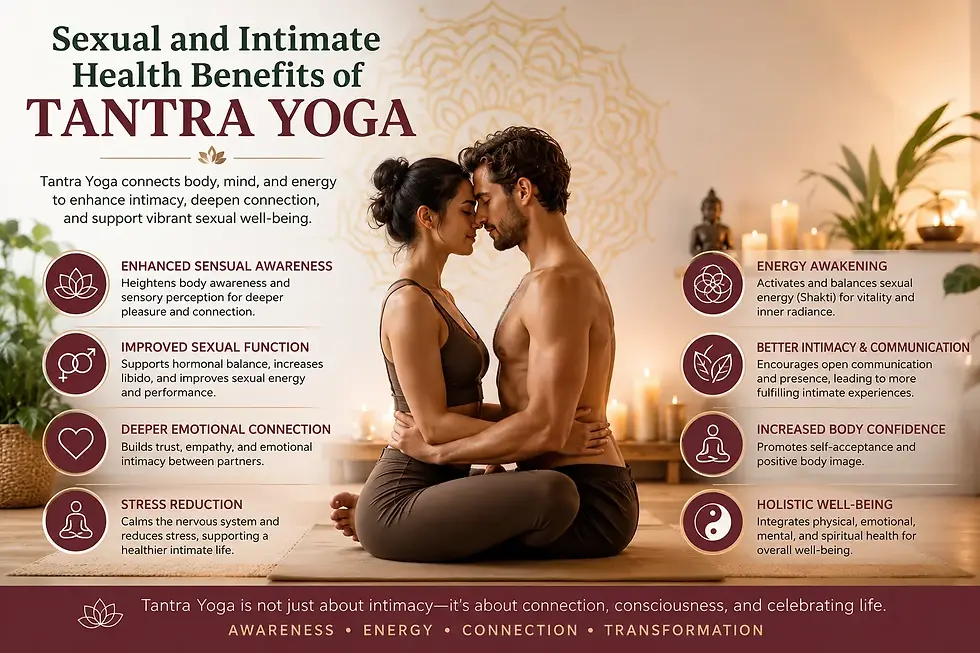
Some people even seek energy-oriented practices like kundalini activation in London, which focus on awakening inner awareness through guided breath and movement. Others join slow-paced tantric yoga classes in London that help the body unwind through mindful presence and rhythmic breathing.
Each approach has its own method, but they all rely on one idea: the body remembers everything, and it also knows how to heal.
A Note on Somatic Healing’s Growing Popularity
More people are turning toward somatic healing because it addresses the body’s response to stress instead of just the story behind it. You don’t need spiritual beliefs, complex theories, or long-term retreats to use it. You only need to understand that healing is not just mental work—it is physical work too.
When to Consider Working With a Practitioner?
If you feel comfortable practicing at home, that’s a great start. But you may want expert guidance if:
You regularly freeze or dissociate.
Stress leaves you unable to move or speak.
You feel emotional waves that scare you.
You want to re-pattern long-term tension.
You prefer structured, supervised progress.
And if you want to see what a full guided session looks like—from start to finish—the reference below will help you understand the flow:
If you’re finding these at-home somatic healing exercises helpful and want to explore this practice more deeply, you may benefit from understanding what a guided session actually looks and feels like. While home exercises build awareness and support day-to-day emotional balance, working with a practitioner can take your somatic journey to the next level. To learn how a session flows, what techniques are used, and what you can expect as a beginner, explore our detailed guide here " Somatic Healing for Beginners: What to Expect in a Session ". This will help you decide whether combining home practice with professional support is right for you.
Building Emotional Capacity Through Slow Body Awareness
One of the most overlooked benefits of somatic practices is how they expand your emotional capacity. Many people believe emotional strength comes from “handling” more stress or “tolerating” difficult situations. In reality, emotional capacity grows when your body feels safe enough to experience discomfort without shutting down. This safety comes from slow, consistent body awareness.
When you practice techniques that teach your body to notice sensations early—tightening around the chest, the familiar pressure behind the eyes, the slight shaking in the hands—you build the internal skill of regulation.
Instead of reacting automatically, you create a moment of pause. That pause is powerful. It prevents emotional spirals, reduces reactivity, and restores choice. Over time, your system learns new patterns: responding instead of collapsing, slowing down instead of speeding up, grounding instead of disconnecting.
Somatic work is not about controlling emotions; it is about allowing them to move through the body without overwhelming it.

How Somatic Practices Improve Daily Functioning?
People often underestimate how much physical tension affects daily life. A tight diaphragm can make you feel tired. A clenched jaw can affect speech clarity. Shoulders pulled up all day can cause headaches. When you release chronic patterns slowly, you begin noticing improvements in small but meaningful ways.
You may find yourself breathing deeper without effort. Your shoulders might stay relaxed for longer periods. You may respond to stressful conversations with less heaviness. Some people describe feeling more grounded during social interactions, more patient in relationships, and more aware of their boundaries.
The shift is subtle but steady. Somatic work does not transform life overnight. Instead, it rewires your everyday baseline—your default state. When your default becomes calmer and clearer, everything else becomes easier to manage.
A Deeper Look at How the Body Stores Stress
Think of your body as a timeline. Every stressful moment leaves a trace. When the stress cycle completes naturally—through movement, tears, shaking, or deep breath—the body resets. But if the cycle stops halfway, the leftover energy sits inside the tissues, waiting for release.
This is why certain situations feel heavier than others. Your body may be reacting to something from the past that feels similar. These patterns show up in different forms: a sudden tight throat, trembling legs, a rush of heat, or numbness in the face. They are not random. They are protective responses that were never completed.
· Somatic exercises help finish these cycles safely.
· Shaking releases trapped fight-or-flight energy.
· Sighing breath resets the respiratory rhythm.
· Body scans reveal old tension you forgot existed.
· Grounding touch signals safety and presence.
· Pendulation teaches the body to move between sensations without fear.
Little by little, incomplete stress cycles find closure. You begin to react less from fear and more from presence.
Understanding the Science Behind These Practices
Somatic approaches work because they communicate directly with the nervous system. Instead of talking about emotions, they target the body’s physical responses. These practices affect key biological systems:
The vagus nerve, which regulates mood, digestion, and heart rate
The limbic system, responsible for emotional processing
The psoas muscle, often called the “emotional storage muscle.”
The diaphragm, which controls breath patterns
The fascia, the connective tissue that holds tension
When these systems work together, your body feels stable and calm. Somatic methods help deactivate the sympathetic “fight or flight” state and activate the parasympathetic “rest and restore” state. This balance is the foundation of emotional well-being.
How to Track Progress Without Overthinking?
Many people ask how they will know when somatic practices start working. Progress is often quiet, subtle, and easy to overlook. Here are signs you may notice:
You breathe deeper without trying.
You catch stress reactions earlier.
You recover faster from emotional triggers.
You feel less drained after social interactions.
Your sleep becomes smoother.
You experience fewer body aches.
You feel more present in conversations.
These changes can be small at first. Some people notice them within weeks. For others, the shift is slower and gentler. The key is consistency.
It helps to keep a simple journal. Write down how your body feels each morning and evening. Over time, you’ll notice patterns changing naturally.
Pairing Somatic Exercises With Daily Activities
You don’t need a long, dedicated session every day. Many exercises can be done during ordinary moments:
Sighing before answering a difficult message
Grounding touch while sitting in traffic
Shaking your hands after closing your laptop
A short body scan while lying in bed
Pendulation while walking slowly in a park
This kind of integration turns healing into a lifestyle—not a task.
What Makes Somatic Work Different From Meditation?
Meditation often asks you to observe thoughts. Somatic work asks you to observe physical sensations. Meditation builds mindfulness. Somatic work builds nervous system resilience.
Some people struggle to meditate because sitting still makes their bodies feel unsafe. Somatic techniques can help prepare the body for meditation by releasing the tension that makes stillness uncomfortable.
When both practices are combined, they complement each other beautifully.
Final Thoughts
Your body holds stories that words cannot express. Each exercise in this guide helps you reconnect with those stories safely. Healing doesn’t need to be dramatic or intense. Sometimes it begins with a quiet breath, a slow shake, or the gentle pressure of your own hands. Start small. Stay patient. Let your body lead the way.
If you’re open to it, combining these at-home exercises with occasional guided sessions can offer deeper clarity. But if you begin with simple home practice, you’re already doing something meaningful for your nervous system.
Your body wants to heal. You just need to give it the space to begin.


Comments